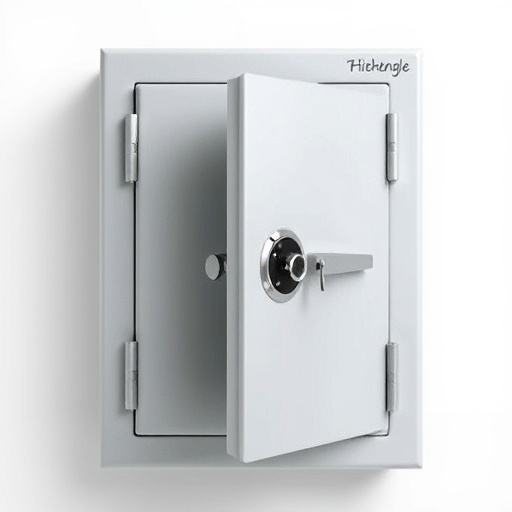
Concealment Containers That Look Ordinary (CCLO) provide discreet storage solutions for valuable items within everyday household objects. By integrating hidden compartments into books, kitchen appliances, and other seemingly innocuous items, CCLO enable secure storage while maintaining an unassuming appearance. These innovative devices cater to privacy-conscious individuals in the digital age, enhancing home security without sacrificing aesthetic appeal. However, their legality and ethics are complex due to potential misuse for illegal activities, requiring responsible use and adherence to local laws.
Uncover the intriguing world of hidden compartments—sophisticated storage solutions disguised as everyday household goods. This article explores innovative ways to integrate concealment containers into ordinary items, offering both practical privacy and exciting possibilities for creative minds. From understanding the history of hidden compartments to examining legal considerations, we delve into a unique art form that blends functionality with discretion. Discover how these unassuming objects can serve as effective hiding places while seamlessly blending into your home decor.
- Understanding Hidden Compartments: Unveiling Discreet Storage Solutions
- The Concept of Fake Household Goods as Concealment Devices
- Creative Ways to Integrate Hidden Compartments into Everyday Items
- Materials and Design Considerations for Effective Concealment Containers
- Legal and Ethical Aspects: Navigating Privacy and Security Concerns
Understanding Hidden Compartments: Unveiling Discreet Storage Solutions
Hidden compartments have long been a favorite tool for secrets, safekeeping, and creative storage. These discreet storage solutions offer a way to hide valuable items within everyday household objects, making them virtually invisible to prying eyes. From books with secret compartments to fake walls concealing safe spaces, these concealed stashes are designed to blend in seamlessly with their surroundings, making them the ultimate in secure yet unassuming storage.
The appeal of Concealment Containers That Look Ordinary lies in their ability to offer a sense of security and discretion. By integrating hidden compartments into seemingly innocuous household goods like books, paintings, or even kitchen appliances, individuals can safeguard sensitive items while maintaining an unassuming exterior. This clever approach ensures that only those in the know will be aware of the existence of these secret stashes, making them perfect for storing important documents, precious metals, or other valuable possessions discreetly.
The Concept of Fake Household Goods as Concealment Devices
In the realm of secrecy and security, the concept of using everyday household items as concealment devices has gained unexpected popularity. Among these, fake household goods stand out as innovative solutions for creating hidden compartments—a clever way to keep valuable items safe while maintaining an unassuming exterior. These cleverly designed objects serve as a game-changer for those seeking discreet storage options, offering an alternative to traditional safes or secret hiding spots.
The beauty of this approach lies in the fact that these fake household goods seamlessly blend into one’s daily routine and living space. From faux books with removable compartments to replica food items concealing precious valuables, these concealment containers that look ordinary are a modern twist on age-old secrecy practices. In today’s digital era, where privacy is paramount, this method provides an out-of-the-box solution for individuals seeking secure storage while maintaining a subtle and unassuming demeanor.
Creative Ways to Integrate Hidden Compartments into Everyday Items
In the realm of creative security, integrating hidden compartments into everyday household items offers a unique and subtle approach to storing valuables. Concealment containers designed to look entirely ordinary can be seamlessly incorporated into various objects, from books and candle holders to kitchen utensils and decorative art pieces. This innovative strategy allows for the secure storage of important items while maintaining an unassuming exterior, making it ideal for those seeking discreet solutions.
For instance, a beautifully crafted wooden book with hidden compartments inside can serve as both a piece of literature and a safe haven for small trinkets or confidential documents. Similarly, a stylish candle holder could double as a container for cash, credit cards, or other essential items. These Concealment Containers That Look Ordinary provide an excellent opportunity to enhance home security while adding aesthetic value to one’s living space.
Materials and Design Considerations for Effective Concealment Containers
When designing and creating hidden compartment fake household goods, the primary focus should be on materials that blend seamlessly with everyday items. Common materials like wood, metal, or even plastic can be used to craft these concealment containers, ensuring they appear completely ordinary. For instance, a faux bookshelf unit made from lightweight yet sturdy plywood can serve as a perfect hiding place for valuable items within its shelves and compartments. Similarly, fake electrical outlets or switch plates disguised as functional components are excellent options, offering both secrecy and realism.
The design itself plays a crucial role in effective concealment. Consider incorporating subtle variations in texture, color, and shape to mimic the surrounding environment without drawing attention. For example, a wooden box with slightly irregular edges and a faded paint finish can easily pass as an antique collection piece or a vintage prop, securely holding secrets within its interior. These ordinary-looking containers offer an effective solution for those seeking discreet storage options within their homes, businesses, or even vehicles.
Legal and Ethical Aspects: Navigating Privacy and Security Concerns
The use of hidden compartments within seemingly ordinary household goods presents a unique blend of practical utility and legal and ethical dilemmas. While these concealment containers offer a sense of security for storing valuable items or sensitive documents, it’s crucial to consider the potential implications for privacy and security. The legality of such devices varies across jurisdictions, with some countries strictly regulating their use due to concerns over their misuse for illegal activities.
Ethically, the primary concern revolves around the right to privacy. These products can enable individuals to safeguard personal belongings, but they may also facilitate hiding evidence or contraband, potentially infringing upon investigative rights and public safety. As such, it’s essential to approach the use of hidden compartments in household goods with caution, ensuring compliance with local laws and maintaining a balance between securing possessions and upholding ethical privacy standards.
Hidden compartments in everyday household goods offer a fascinating blend of creativity, privacy, and security. By integrating these discreet storage solutions into regular items, individuals can safeguard valuables while maintaining an unassuming exterior. As we’ve explored, from understanding the art of concealment to considering legal boundaries, these innovative containers provide both functionality and intrigue. Whether for personal security or creative decoration, well-designed concealment containers that look ordinary can offer a unique way to protect possessions and unlock a world of potential solutions for space-saving and privacy preservation.